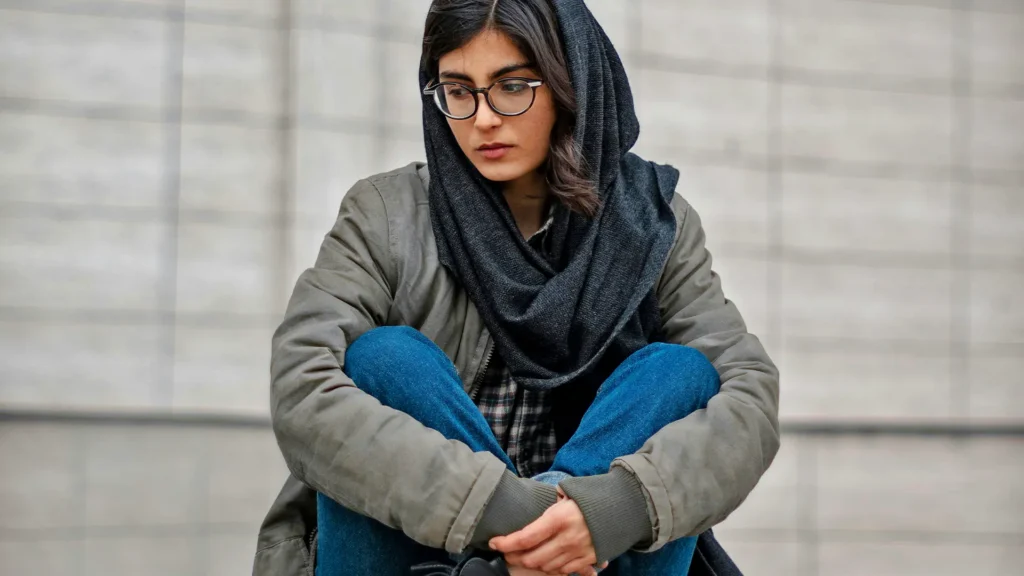


“Why couldn’t I just get a normal mental illness?” my friend Sophie recently bemoaned. “If you have depression, everyone says, ‘There are so many options for you!’ But if you have Borderline Personality Disorder it’s more like, ‘Most likely, nothing will help you and you probably don’t want help anyway.’” Unfortunately, she wasn’t being hyperbolic; people with Borderline Personality Disorder (BPD) have often faced both a clinical community and a larger culture full of myths surrounding this complex mental illness. Chief among them are the false notions that BPD is virtually untreatable, and that people suffering from BPD overwhelmingly can’t commit to the treatments that are available. In fact, many people with BPD want help, often desperately, and there is a range of evidence-based therapeutic modalities available to alleviate suffering and restore psychological tranquility. At Bridges to Recovery, we witness what comprehensive, personalized mental health treatment can do for people with BPD every day, and create paths to healing using thoughtfully layered therapies that address the needs of each person. Often, one of the most powerful components of this treatment is meditation.

- About Us
- What We Treat
- Our Program
- Experience
- Admissions
- Blog
- Contact Us