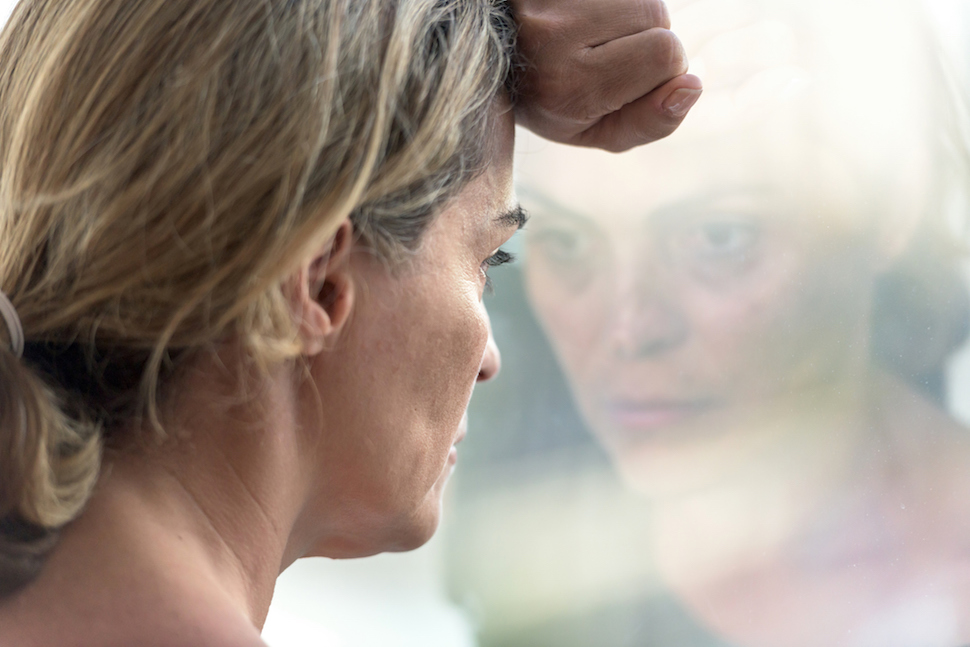
Overcoming such a big loss is no small task, but it helps to be aware of your process, symptoms, and reactions. Are they normal, expected grief? Or have you developed a mental health condition? Studies indicate that about seven percent of people in bereavement will develop complicated grief.
What largely distinguishes this from healthy grief is duration. The symptoms are similar, but with complicated grief they persist, and even get worse, for a year or longer:
- Intense sadness and pain
- Intense longing for the deceased
- Inability to focus on other things
- Difficulty accepting that your spouse is gone
- A feeling of detachment from your life and from others
- Feeling life has lost all meaning and purpose
- Wishing you had died with your spouse
- Difficulty proceeding with normal activities and functions
Knowing you have this condition is not easy. It’s difficult to be self-aware, so you may need to listen to loved ones. Consider Miriam’s story:
“When my husband died from cancer, I expected to be prepared. He was sick for so long. But the loss devastated me. I felt alone but didn’t even want my family around, not even my adult children. I tried going back to work, but all I could think about was my husband. I couldn’t get anything done.
After a couple of months, my oldest daughter suggested that I wasn’t processing the loss normally. I didn’t listen, but a few months after that a friend said the same thing. I decided to see my doctor for a professional opinion, and she agreed with my family that my struggles weren’t healthy or normal. I admitted that I felt so guilty about his loss, that I should have pushed for more treatment. I got a diagnosis of complicated grief and, thanks to my loved ones looking out for me, I went through treatment. Although the loss still stings, I have been able to find joy in my family again.”