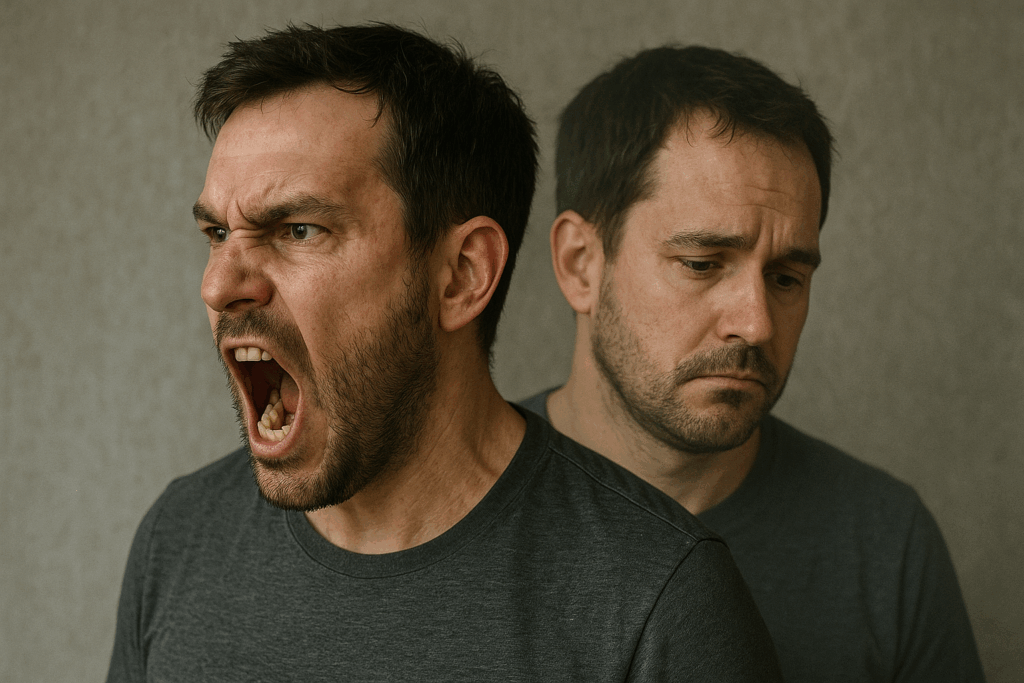
Indeed, the truth is that bipolar disorder affects a wide range of people of all intellectual and creative abilities. As Hannah Jane Parkinson, a columnist for The Guardian, points out, while there does indeed appear to be a link between bipolar disorder and intelligence amongst some people, there is a real danger in glamorizing the illness that threatens to render invisible the suffering of many living with the disorder:
[T]he concept itself isn’t a problem; rather, it’s the danger inherent in the tortured-genius trope that I object to. What about those with mental illness who work in retail, or are civil servants, or who pull pints? Do these people not get a look-in? How many albums does a person need to make, how many prizes need to be won before mental health issues become acceptable?
While casting people with bipolar disorder as tortured geniuses may serve to combat a certain type of stigma, for most people bipolar disorder does not result in extraordinary artistic creations or adding to the Western canon. For most people, bipolar disorder is a disruptive and painful medical condition that damages, rather than enhances, your life. Glamorization ignores the need for effective, compassionate bipolar disorder treatment to help you regain emotional stability and relieve you from suffering. You deserve to live the most fulfilling life possible, have the support you need to create psychological harmony, and uncover your authentic self, free from the grip of bipolar disorder to maximize your true potential–whatever that may be. After all, as Parkinson points out, Van Gogh himself wrote, “If I could have worked without this accursed disease, what things I might have done.”
Bridges to Recovery offers innovative treatment for people living with mental health disorders in a relaxing, peaceful residential environment. Contact us to learn more about how our program can help you or your loved one start on the path to recovery.